A Guide to Etsy Keyword Research to Boost Sales
Written By

Published On
Read Time

So, you've got a fantastic skill and you're creating handcrafted wonders, fully prepared to shine on Etsy. Wondering what to do next? If Etsy keyword research didn't come to mind, then your journey to making sales and achieving success on Etsy might be tougher than necessary.
Just like with any online business, the key to boosting your sales on Etsy boils down to Etsy SEO. SEO, or search engine optimization, might seem overwhelming, especially if you're new to selling online.
However, researching Etsy keywords doesn't have to be difficult. Keep reading for my top easy-to-follow Etsy keyword research tips that you can apply immediately to get your products noticed by eager buyers.
What Is Etsy Keyword Research?
Etsy keyword research is crucial because it connects sellers with their target audience. By effectively using keywords that match your customers' search queries, you enhance the likelihood of your products appearing in search results, leading to increased visibility, traffic, and, ultimately, sales. Keywords serve as the bridge between what shoppers are looking for and the products you offer, making them fundamental to your marketing and SEO strategy.
The Importance of Keywords in Etsy
In the vibrant marketplace of Etsy, where millions of sellers vie for the attention of a vast audience seeking unique, handmade, or vintage items, the strategic use of keywords becomes paramount. Etsy keyword research is not just a best practice; it's a crucial element of a successful Etsy shop's SEO strategy. Keywords serve as the linchpin in connecting your products with potential buyers. When a shopper types a query into the Etsy search bar, the platform's algorithm sifts through countless listings to present the most relevant results. The keywords you choose for your listings directly influence this process, determining how easily your target audience can discover your products.
The Role of Keywords in Optimizing Your Etsy Shop
Optimizing your Etsy shop with well-researched keywords involves more than just guesswork. It requires a strategic approach, employing the best Etsy keyword research tool at your disposal to uncover the terms your potential customers are using. This optimization extends beyond mere visibility; it's about aligning your shop and listings with the specific needs and search habits of your target market.
The role of keywords in optimizing your Etsy shop is multifaceted. They should be thoughtfully incorporated into your product titles, descriptions, tags, and even your shop sections to create a cohesive and searchable online presence. Each element of your listing—from the primary keyword that captures the essence of your product to the secondary keywords that highlight its features and benefits—plays a crucial role in how well your items rank in Etsy’s search results.
Why Long-Tail Keywords Matter
Long-tail keywords are the secret weapon in the arsenal of successful Etsy sellers. These are more specific, often longer phrases that shoppers are likely to use when they are closer to a purchasing decision. The beauty of long-tail keywords lies in their specificity and lower competition, making them a powerful tool for attracting highly targeted traffic to your listings.
Long-tail keywords matter because they capture the shopper's intent more precisely than broader terms. For example, instead of targeting the highly competitive keyword "earrings," you could target "handmade silver hoop earrings for women," which is likely to attract a shopper with a clear idea of what they want, increasing the likelihood of conversion.
Strategies for Effective Etsy Keyword Research
Etsy keyword research is the cornerstone of a successful Etsy shop. It's the process that connects what buyers are searching for with the products you offer. To master Etsy keyword research, you must go beyond the basics and implement strategic methods that draw in your target audience. Employing the best Etsy keyword research tool is a start, but knowing how to leverage such tools effectively makes all the difference.
Analyzing Your Own Etsy Shop Stats for Insights
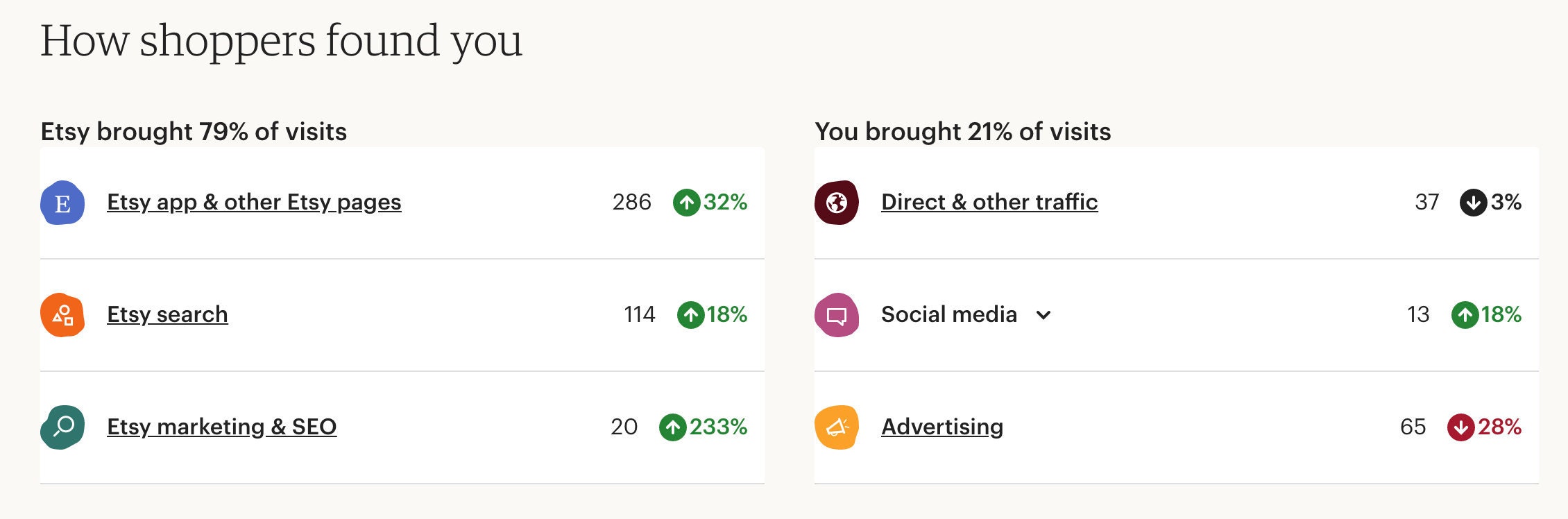
Your Etsy shop's analytics are a rich source of keyword insights. Etsy provides detailed stats on your shop's performance, including which keywords are driving traffic to your listings. By examining your most viewed and purchased items, you can identify the keywords that successfully attract buyers.
1. Review 'Search Terms' in Stats: Navigate to your shop dashboard and review the "Search terms" section. Here, Etsy shows which keywords lead customers to your shop. These insights can help you adjust your keyword strategy, reinforcing what works and revising what doesn't.
2. Identify Opportunities: Analyzing your shop stats allows you to spot opportunities to include relevant keywords you might have overlooked. Integrating these keywords into your titles, tags, and descriptions can enhance your listings' visibility and appeal to a broader audience.
Leveraging Etsy Ads Data to Understand Performance
Etsy Ads provide another layer of data for keyword research. Although recent changes have limited the depth of information available from Etsy Ads, they still offer a glimpse into how your listings perform in paid searches.
1. Analyze Ad Performance: By examining which listings perform well in Etsy Ads, you can deduce which keywords are effective in attracting buyers. This data can inform your organic SEO strategy, helping you decide which keywords to emphasize in your listings.
2. Search Terms Insights: Etsy Ads also show the search terms that your listings are ranking for. This information is invaluable for understanding how buyers find your products through paid channels, offering clues on how to optimize your listings for organic search.
Utilizing Etsy Search Analytics for Strategic Planning
Etsy Search Analytics is a powerful tool that should be at the heart of every seller’s strategic planning. This feature within your Etsy shop dashboard offers invaluable insights into how shoppers are finding your listings. By carefully analyzing this data, sellers can make informed decisions about which keywords to target and how to optimize their shop for maximum visibility and sales.
Understanding Search Analytics: Etsy's Search Analytics provides detailed information about the search terms that lead visitors to your shop and listings. This data includes impressions, clicks, and conversion rates, offering a clear picture of how well your keywords are performing. Leveraging this information allows for a data-driven approach to Etsy keyword research, ensuring you focus your efforts on high-performing keywords that are likely to drive traffic and sales.
Actionable Insights for Keyword Optimization: Through the analysis of search analytics, sellers can identify trends and patterns in buyer behavior. For instance, noticing which keywords consistently drive traffic but have low conversion rates might indicate a mismatch between what buyers are searching for and what your listing offers. This insight can lead to strategic adjustments in your product offerings or listing details to better match buyer intent.
Extracting Long-Tail Keywords Using the Etsy Search Bar
The Etsy search bar is not just a tool for buyers to find what they’re looking for; it’s also a goldmine for sellers conducting keyword research. Utilizing the search bar to extract long-tail keywords is a simple yet effective strategy to discover what potential customers are actively searching for on Etsy.
Harnessing Auto-Suggest for Keyword Discovery: As you begin typing a broad term related to your product in the Etsy search bar, Etsy's auto-suggest function will display a list of long-tail keywords that shoppers have recently used. These suggestions are directly based on user search data, making them extremely valuable for keyword research. For example, typing “handmade silver” might bring up suggestions like “handmade silver necklaces for women” or “handmade silver ring men,” providing specific long-tail keywords that could be highly relevant to your listings.
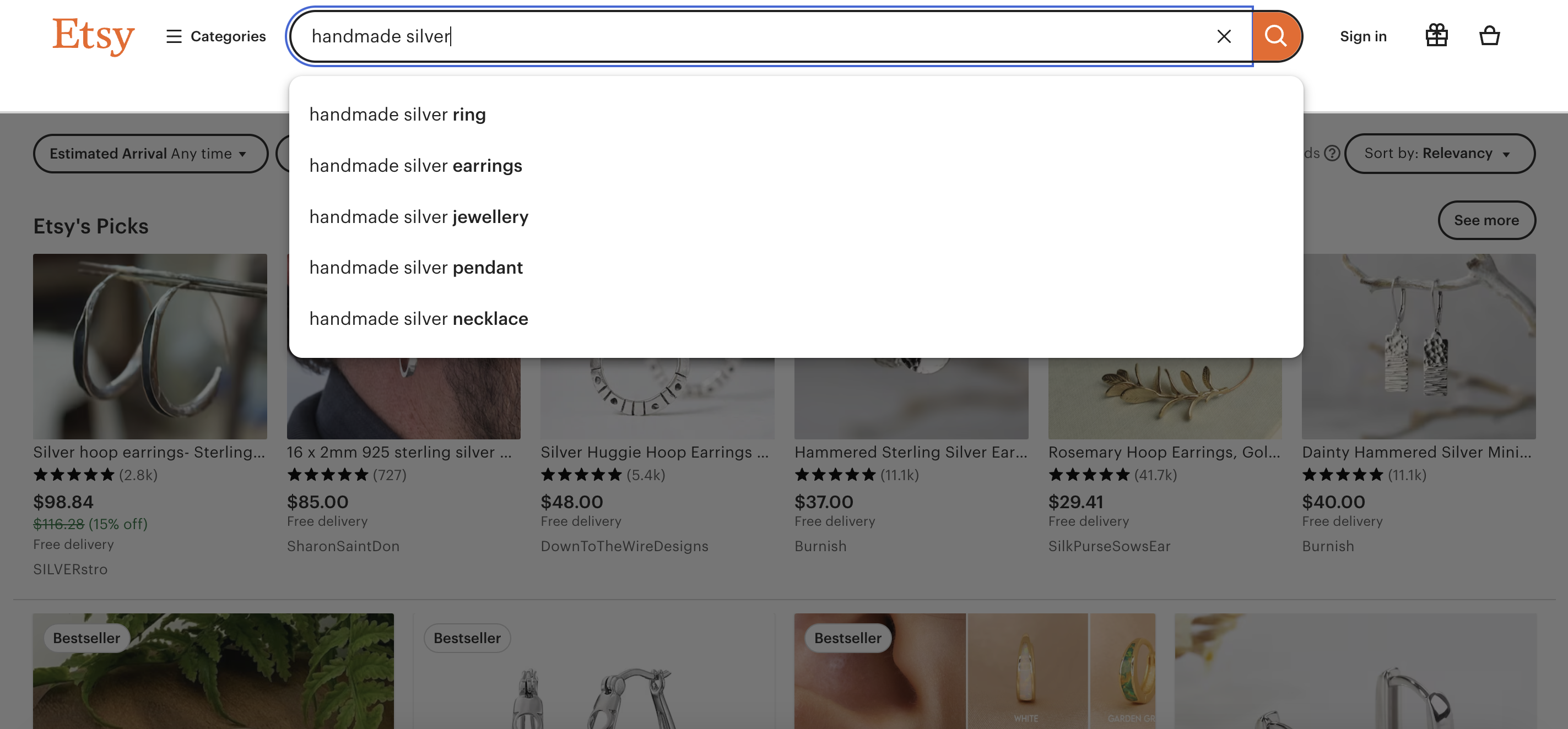
Strategic Application of Long-Tail Keywords: Long-tail keywords are less competitive and more targeted compared to broader terms, making them highly effective for driving qualified traffic to your listings. By incorporating these specific search terms into your titles, tags, and descriptions, you can increase the likelihood that your products will appear in search results for shoppers who are further along in the buying process and more likely to make a purchase.
Optimizing for Buyer Intent: The use of long-tail keywords allows sellers to optimize their listings for specific buyer intents. This level of specificity in keyword targeting helps to attract a more focused audience, improving both visibility and conversion rates. It’s not just about getting found; it’s about getting found by the right people.
Exploring Pinterest for Creative Keyword Ideas
Pinterest is an often underutilized but incredibly potent source for creative keyword ideas, especially for Etsy sellers looking to tap into visual and trend-driven markets. With its vast collection of pins and boards filled with everything from DIY crafts to vintage items, Pinterest provides a treasure trove of terms and phrases that real users are actively searching for and engaging with. Leveraging this platform for Etsy keyword research can unveil unique and trend-forward keywords that might not be immediately obvious through traditional research methods.
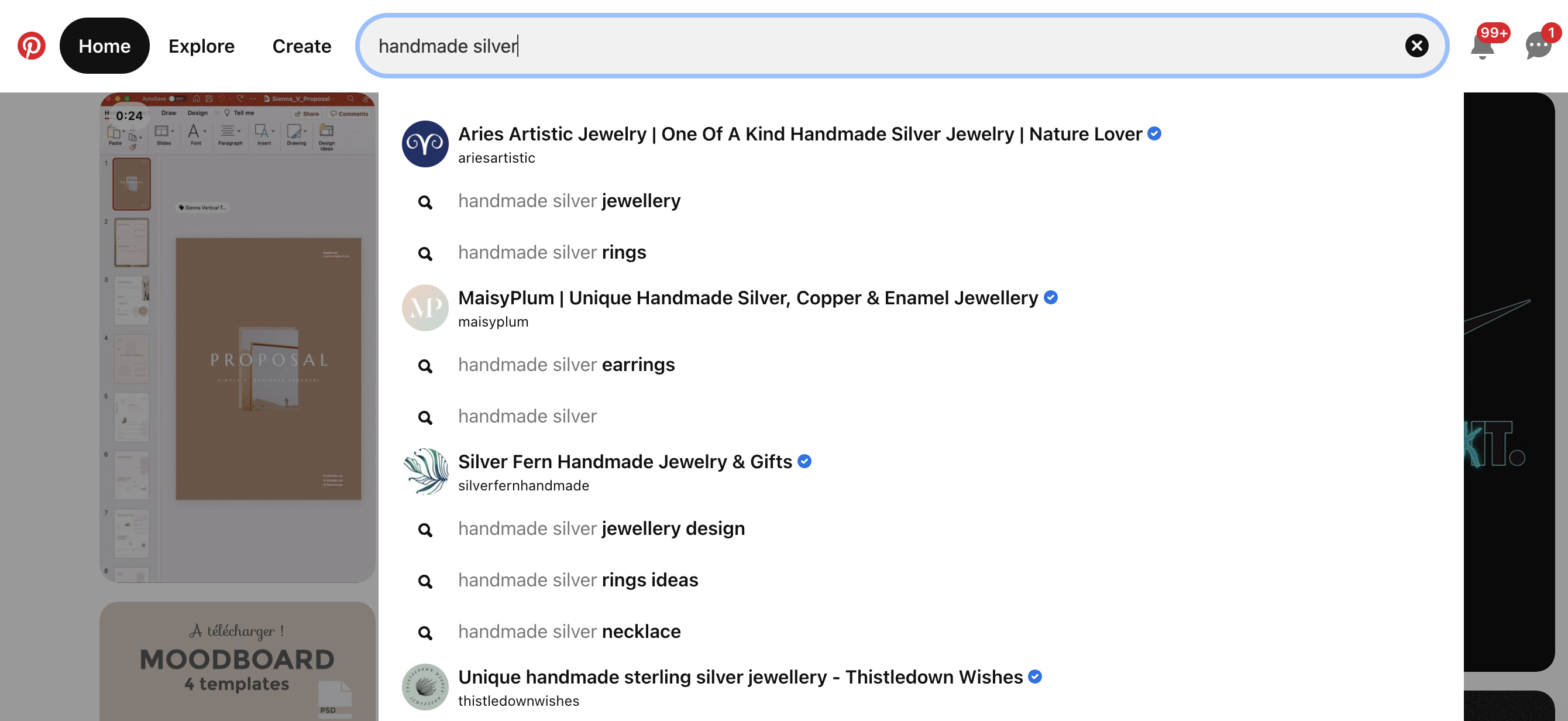
Using Pinterest Search and Auto-Suggest: Begin by using the Pinterest search bar, similar to how you might use Etsy's. Typing in broad terms related to your products can yield a plethora of long-tail, creative keyword ideas through Pinterest's auto-suggest feature. These suggestions are reflective of current trends and user interests, providing valuable insights into the language and terms potential customers use outside of Etsy.
Analyzing Pins and Boards for Keywords: Dive deeper by exploring popular pins and boards relevant to your niche. Pay attention to the descriptions and tags used, as these can be a goldmine of keyword ideas. Sellers can identify patterns and recurring themes that may point to niche markets or emerging trends, offering opportunities to position their products to meet these specific interests on Etsy.
Incorporating Trending Terms into Your Listings: Once you've gathered a list of keywords from Pinterest, strategically incorporate these into your Etsy listings. Using trending and niche-specific terms can help your products stand out, not just on Etsy, but also in broader search engines, as Pinterest content often ranks well in Google search results.
Researching Competitors’ Keywords for Competitive Edge
Gaining a competitive edge on Etsy is about understanding not just your products and target audience, but also how your competitors are positioning themselves in the marketplace. Researching competitors’ keywords is a critical strategy for identifying gaps in your own keyword strategy and discovering new opportunities for optimization and differentiation.
Identifying Your Top Competitors: Start by identifying who your direct competitors are on Etsy. Look for shops with similar products and those that rank highly for keywords you're targeting. This will give you a benchmark for comparison and a clearer understanding of the competitive landscape.
Using Tools to Uncover Competitors' Keywords: Several Etsy keyword research tools, such as Alura, offer features specifically designed to analyze competitors’ listings. These tools can provide insights into the keywords competitors use in their titles, tags, and descriptions, offering clues to their SEO strategy. By understanding which keywords are driving traffic to their shops, you can refine your own keyword strategy to compete more effectively.
Analyzing Listings for Keyword Insights: Beyond tools, manually reviewing competitors' listings can also offer valuable insights. Pay attention to their use of keywords in titles, tags, and descriptions. Notice any recurring keywords or phrases that seem to be a focal point of their SEO strategy. This analysis can help you identify successful keywords you may have overlooked and highlight unique value propositions or angles for your own products.
Adapting and Innovating Your Keyword Strategy: Armed with this information, adapt your keyword strategy to not only match but surpass your competitors. Consider how you can use similar keywords more effectively or identify gaps that you can exploit. Innovation is key; use your findings to differentiate your listings and appeal to unique aspects of your target audience that may be underserved.
Finding the Right Keywords for Your Listings
The journey to a successful Etsy shop begins with mastering Etsy keyword research. Finding the right keywords for your listings is a critical step that bridges the gap between your products and your potential customers. The best Etsy keyword research tool for your needs will offer insights into what shoppers are searching for, enabling you to optimize your listings to appear in relevant search results. The process involves thorough research, analysis, and an understanding of your market's language.
Identifying Seed Keywords and Using Etsy Suggests
Seed Keywords: Seed keywords form the foundation of your keyword research strategy. These are broad terms related to your product that help you start your keyword exploration. Identifying seed keywords involves understanding your product's core features, benefits, and the categories it fits into. For instance, if you sell handmade jewelry, your seed keywords might include "handmade necklace," "artisan earrings," or "custom bracelets."
Using Etsy Suggests: Etsy's search suggest feature is a powerful tool for expanding on your seed keywords. By typing your seed keywords into the Etsy search bar, you'll see a list of auto-suggested search terms that real users are typing into Etsy. This function provides immediate insight into specific, often long-tail, keywords that potential customers use, allowing you to refine your keyword strategy with actual search data. Utilizing Etsy Suggests aligns your listings with what shoppers are actively seeking, increasing your visibility on the platform.
Evaluating Keywords: Demand, Competition, and Relevancy
Once you have a list of potential keywords, the next step is to evaluate them based on demand, competition, and relevancy:
Demand: High-demand keywords are those that a large number of users search for. While targeting these keywords can drive significant traffic, it's crucial to balance demand with competition.
Competition: Keywords with high competition mean many listings are using them, making it harder to stand out. The goal is to find keywords with enough demand but lower competition.
Relevancy: The most effective keywords are not only popular and competitive but also highly relevant to your product. They should accurately describe what you're selling, ensuring that the traffic driven to your listings is qualified and more likely to convert into sales.
The Significance of Using Long-Tail Keywords
Long-tail keywords are longer and more specific phrases that shoppers are likely to use when they're closer to making a purchase. They are crucial for several reasons:
Targeted Traffic: Long-tail keywords draw in shoppers who know exactly what they want, increasing the likelihood of conversion.
Lower Competition: These keywords are typically less competitive than broader terms, making it easier for your listings to rank higher in search results.
Increased Visibility: By targeting long-tail keywords, your listings can appear in a variety of search queries, broadening your shop's visibility.
Implementing Keywords in Your Etsy Listings
Successful Etsy keyword research culminates in effectively implementing those keywords into your listings. This strategic placement is crucial for improving your shop's SEO, increasing visibility, and attracting more potential buyers. Utilizing the best Etsy keyword research tool can simplify this process, providing you with relevant, high-demand keywords. However, the tool is only as good as the strategy behind using these keywords. Below are key strategies for incorporating your researched keywords into various components of your Etsy listings.
Optimizing Titles with Keywords
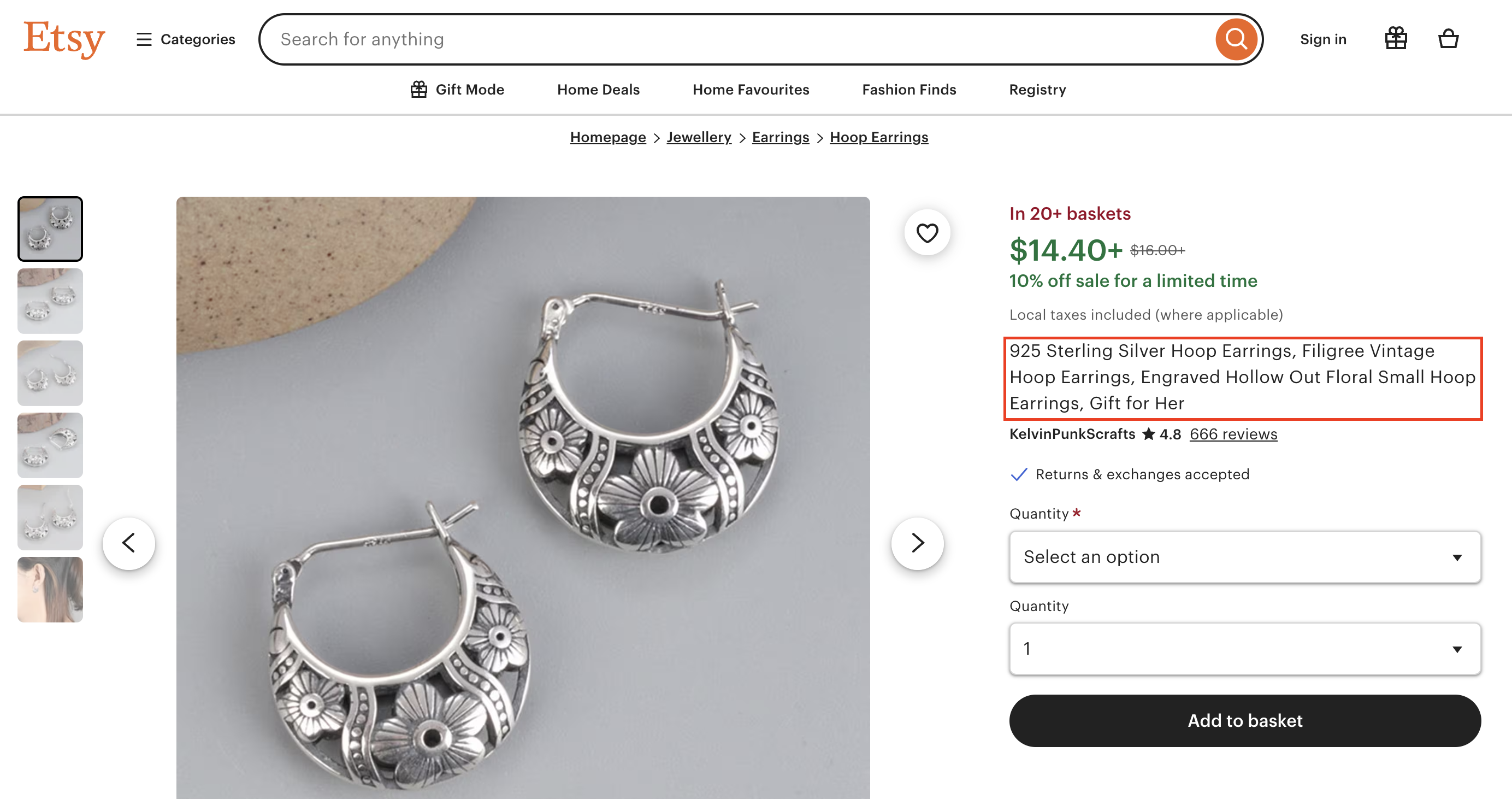
Your listing titles are one of the most critical elements where keywords must be thoughtfully integrated. The title is the first encounter potential buyers have with your product in search results, making it vital to balance readability with keyword optimization.
Begin with the Most Important Keyword: Place your most relevant and high-ranking keyword at the beginning of the title. This ensures it catches both the shopper's eye and the search algorithm's attention.
Keep It Natural: While it's important to include keywords, ensure your title reads naturally to potential customers. Avoid stuffing keywords in a way that makes the title confusing or difficult to read.
Use Delimiters: To separate different keywords or phrases in your title, use punctuation marks like commas, dashes, or vertical bars. This can help improve readability while allowing you to include multiple keywords.
Strategically Using Keywords in Tags
Etsy tags are another valuable opportunity to implement keywords. With up to 13 tags available per listing, you have ample space to include both broad and long-tail keywords.
Maximize Your Tags: Use all available tags to increase the chances of your listing appearing in various searches. Include a mix of general and specific (long-tail) keywords.
Synonyms and Variations: Utilize synonyms or variations of your keywords to cover more potential search queries. Think about different ways a shopper might describe your product.
Keyword Phrases: Instead of single-word tags, consider using keyword phrases that closely match potential search queries. This can significantly improve your listing's visibility for specific searches.
Incorporating Keywords in Categories and Attributes
Etsy's categories and attributes also play a role in how your listings are discovered. While these might not be the first elements sellers think to optimize, they contribute to the listing's overall search relevance.
Choose the Most Relevant Category: Selecting the most accurate category helps Etsy's algorithm understand what you're selling and match your listing with the right searches.
Detailed Attributes: Fill out as many attributes (like color, material, size) as possible. These act as built-in tags and can be an excellent place to incorporate additional keywords relevant to your product.
Attribute-Based Keywords: When choosing attributes, consider the keywords a buyer might use when looking for products like yours. This alignment ensures that your listings show up in searches that are most relevant to your product's characteristics.
Best Practices for Etsy Keyword Usage
Mastering Etsy keyword research is a critical step for sellers aiming to enhance their shop's visibility and drive sales. However, understanding how to use these keywords effectively is equally important. Here are some best practices for Etsy keyword usage that can help optimize your listings:
Balance Between Broad and Specific Keywords: Utilize a mix of broad and long-tail (specific) keywords to attract both general and targeted traffic. This strategy ensures your listings appear in a wide range of search queries.
Keyword Integration: Incorporate keywords naturally into your listings, especially in titles and descriptions. This enhances readability for potential buyers and improves search relevance.
Avoid Keyword Stuffing: Overloading your titles and descriptions with keywords can harm readability and negatively impact the buyer's experience. Etsy's algorithm also prefers natural language over keyword-stuffed content.
Where to Use Your Keywords for Maximum Visibility
To maximize the visibility of your Etsy shop, strategically place your researched keywords in specific sections of your listings:
Titles: Start your titles with the most important keyword and follow up with other relevant keywords. Keep it readable and engaging.
Descriptions: Early in your description, include keywords that describe your product's features and benefits. This not only aids in search but also helps convince potential buyers.
Tags: Utilize all 13 tags available for each listing, incorporating both broad and specific keywords to cover a wide range of search queries.
Categories and Attributes: Selecting accurate categories and attributes helps Etsy's algorithm understand and properly classify your listings, making them more likely to show up in relevant searches.
How to Pick the Right Keywords for Your Etsy Shop
Choosing the right keywords for your Etsy shop involves a combination of research, analysis, and understanding of your target audience:
Research Using Keyword Tools: Utilize tools like Alura, eRank, or Marmalead to discover keywords related to your products. Look for keywords with high search volume but manageable competition.
Understand Your Audience: Think about the terms your ideal customer would use to search for your products. This includes considering regional variations and colloquialisms.
Analyze the Competition: Check what keywords successful competitors are using but also look for gaps that you can exploit. Sometimes, less obvious keywords can be a goldmine.
Analyzing and Adapting to Keyword Performance Over Time
Keyword performance can change due to trends, seasonality, and shifts in buyer behavior. It's crucial to monitor the effectiveness of your keywords and adapt your strategy accordingly:
Use Etsy Shop Stats: Etsy provides sellers with detailed analytics on how buyers find their listings. Regularly review which keywords are driving traffic and conversions, and adjust your listings as needed.
Keep Abreast of Trends: Trends can influence search behavior. Stay updated on what's happening in your niche and adjust your keywords to tap into emerging trends.
Test and Iterate: Don't be afraid to experiment with different keywords and track the performance of these changes over time. This iterative process can help you refine your keyword strategy for optimal results.
Conclusions
Mastering Etsy keyword research is not just about selecting the right keywords but also about strategically implementing them to enhance your shop's visibility and sales. The journey through Etsy keyword research, from the initial discovery of seed keywords to the sophisticated analysis of keyword performance over time, is a critical pathway to achieving success on this vibrant platform. Drawing insights from sources like Printify, Growing Your Craft, and Alura, we've explored the importance of utilizing the best Etsy keyword research tools, optimizing listing elements with carefully chosen keywords, and continuously adapting to the evolving marketplace.
Effective Etsy keyword research and implementation are fundamental to achieving and maintaining visibility in a competitive market. By embracing a strategic approach to keyword optimization, continuously monitoring performance, and adapting to changes and trends, Etsy sellers can significantly enhance their shop's potential for success. Remember, the journey doesn’t end with finding the right keywords; it evolves with your shop’s growth and the ever-changing landscapes of consumer demand and marketplace dynamics.
Frequently Asked Questions (FAQs)
In this section, we address some common questions and concerns about Etsy keyword research.
How do I balance keyword relevancy with search volume to ensure I choose the best keywords for my Etsy listings?
To balance keyword relevancy with search volume, start by identifying high-search-volume keywords relevant to your product. Then, refine these keywords to more specific terms that closely match your product's features and target audience. This approach ensures visibility without sacrificing relevance.
Can using seasonal or trending keywords benefit my Etsy shop, and if so, how should I integrate them into my strategy?
Yes, integrating seasonal or trending keywords can significantly benefit your Etsy shop by tapping into current buyer interests. Incorporate these keywords into your titles, tags, and descriptions to align with seasonal trends, and update them regularly to stay relevant.
What is the most effective way to monitor and analyze the performance of my chosen keywords over time to optimize my Etsy listings?
The most effective way to monitor and analyze keyword performance is by regularly reviewing your Etsy shop's analytics to see which keywords are driving traffic and sales. Use this data to adjust your keyword strategy, experimenting with different keywords and observing the impact on your shop's visibility and sales.